Where the Fandom Actually Lives: Anime Conventions in the Crowded 2026 Season

It's 6:40 a.m. in a convention center hallway, and a line is already forming. Somebody is holding a prop sword wrapped in a pool noodle. Somebody else brought a folding chair. Two teenagers who met on a Discord server last spring are meeting face to face for the first time, and they are handling it exactly the way you'd expect — a lot of screaming, a lot of hugs, one dropped phone.
Nothing about this looks like a promotional event. It looks like a community showing up to be a community.
The Room Streaming Can't Replicate
Streaming solved the access problem and quietly created a different one. You can watch any anime, any time, on any screen — and you'll probably do it alone, at 1 a.m., with headphones on and no one to turn to when a finale guts you. The group chat helps. The group chat is not a room.
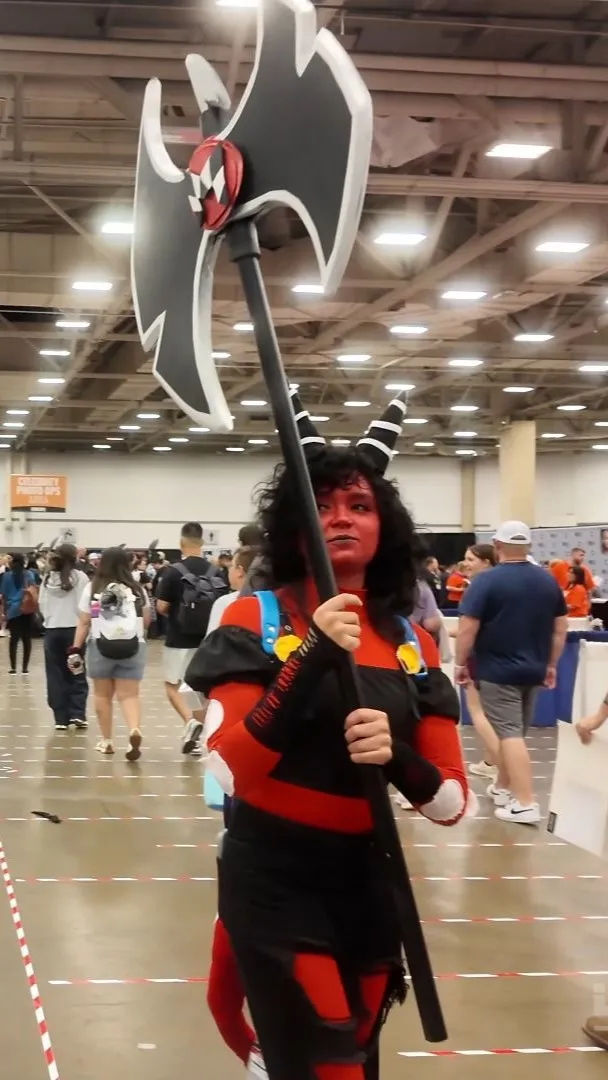
Conventions fill that gap in a way that no platform has managed. They're the only place where the fandom becomes physical: the cosplay, the dealer hall, the artist alley tables selling prints of characters from shows with three thousand viewers worldwide, the panel that turns into a forty-minute argument.
The 2026 Landscape: Bigger, Fuller, Harder to Book
This year's US calendar is dense. The flagship summer shows draw crowds that spill out of convention centers and into surrounding blocks, and regional cons that used to be an easy weekend now sell out badges months ahead. Hotel blocks vanish instantly, and the resale market on rooms has become its own grim little economy.
The industry has noticed. Studio and publisher panels announce licenses, premiere episodes, and cast appearances to rooms that react in real time — and those reactions become clips that circulate for weeks. A trailer's first audience is no longer a website refresh; it's a hall full of people who scream at the right moment.
But the growth cuts both ways. Artist alley tables that once cost a modest amount now sit behind lotteries and waitlists. Panels get capped, and the unlucky watch from a hallway screen. Cosplay photoshoots get scheduled like wedding shoots. The thing that made conventions feel like a hangout is now a logistics problem.
The Bill Nobody Budgets For
Here's the part that doesn't make the highlight reels. Badge, hotel, travel, food, and a cosplay that requires more than one trip to the craft store — add it up and a four-day weekend can cost more than a month's rent in a lot of American cities.
That math is reshaping who gets to participate. The fans who can afford the flight and the hotel room get the panels, the meetups, and the once-a-year photos. The fans who can't get the livestream, the recap threads, and the vague sense of having missed something.
Some cons are trying to close the gap with community tables, low-cost single-day badges, cosplay repair stations, and quieter scheduling for attendees who can't handle a packed floor. Others are leaning into premium experiences — early access, VIP lines, paid meet-and-greets — because that's where the revenue growth is. Both things are happening in 2026 at the same time, and the tension between them is the story of the convention scene right now.
What Actually Happens on the Floor
The industry announcements get the headlines, but the real function of a con is smaller than that. A fan-run table teaches a first-timer how to open a craft commission. A cosplayer in a complicated build gets stopped every six feet and handles it with patience that should be studied. A panel host asks how many people in the room have never spoken to another anime fan in person and half the hands go up.
That's what growth is really straining against: not the size of the hall, but the intimacy of the interactions inside it. A convention that's too crowded stops being a place where strangers talk.
Passing It On
There's an inheritance happening at every con, and it's easy to miss. Older fans teaching newer ones where to find subtitled releases. Someone explaining to a fourteen-year-old that the show they just discovered is a remake. A parent in a Naruto headband standing patiently outside a panel room, holding their kid's bag.
Fandom doesn't survive because a platform keeps renewing a license. It survives because people hand it to each other, in person, with their voices and their terrible props. Conventions are where that handoff happens.
They're expensive, they're exhausting, and the lines are unreasonable. But the fandom isn't on your watchlist. It's in that 6:40 a.m. hallway, and it's worth showing up for.