Detours Worth Taking: In Defense of Anime's Most Maligned Episodes
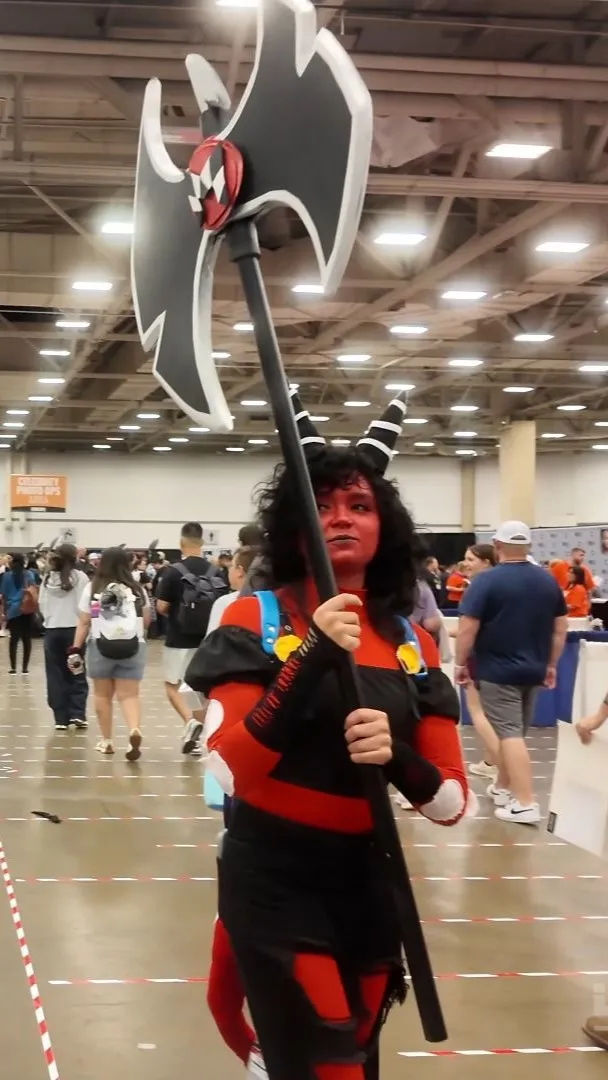
Photo: https://www.youtube.com/watch?v=kEhusgg4XIc&t, CC BY 3.0, via Wikimedia Commons
Ask five anime fans what they think of filler and you'll get four jokes and one genuine rant. It's the word we use for everything from a beach episode to a forty-episode arc about a talking squirrel, and it's delivered with the same tone people reserve for expired milk. Fair enough. Nobody's obligated to love a detour. But the streaming era has turned skipping into a personality trait, and somewhere along the way we stopped asking what those episodes were actually doing.
The Episodes We Love to Skip
There's a whole culture built around it now. Filler guides, timestamped skip lists, Reddit threads that treat anything not lifted from the manga as a personal insult. If you started watching long-running shonen on a streaming service in the last few years, chances are your first act as a fan was opening a second browser tab to find out what you were allowed to miss.
That's a strange way to meet a story. Imagine reading a novel and taping the odd-numbered chapters shut because a stranger on the internet said nothing important happens in them.
And yet, some of the moments fans quote at each other years later came from exactly those chapters. The episode where a squad of hardened fighters spends twenty minutes trying to see their teacher's face. The one where the world's strongest beings learn to drive. The quiet, low-stakes detour in the middle of a war arc where everyone eats dinner and nobody bleeds. These are the scenes that get clipped, GIF'd, and turned into inside jokes that outlive the plot beats they interrupted.
What Filler Is Actually For
Here's the boring production answer, and it matters: when an anime adapts an ongoing manga, the show and the source are racing each other down the same track. Original arcs exist because the alternative is catching up to the manga and running out of material entirely. Studios buy themselves breathing room, and yes, sometimes that room is filled with something that smells like a contract obligation.
But filler also does work that the main plot physically cannot. A serialized story has to keep moving; a detour gets to stop. It lets a supporting character carry an episode for once. It lets the animators try a comedy rhythm the main arc has no space for. It gives a cast that's been split across three battlefields a chance to share a room, eat food, and remind the audience why they like each other in the first place.
There's a craft argument here too. Long-running shows are marathons, and a marathon still needs the occasional walk break. Pacing that never lets up eventually stops registering as tension and starts feeling like noise. A well-placed low-stakes episode resets the audience's ear so the next big fight actually lands.
The Budget Truth Nobody Wants to Hear
Not every detour is noble, and pretending otherwise is how you lose the argument. Plenty of filler exists to protect a schedule, and when a production is already stretched thin, that cushion is the difference between a show limping to its finale and a show collapsing outright. It's not glamorous, but it's honest work.
The problem is that from the couch, "schedule cushion" and "lazy padding" look identical. They aren't. One is a self-contained story with a beginning, a middle, and an end, where a character learns something or a relationship shifts half an inch. The other is a recap episode, four minutes of recycled flashbacks, and a fight where two people stand still and monologue at each other while the camera slowly pushes in.
Learning to tell those apart is a skill, and it's a much more useful skill than memorizing a skip list.
Where the Line Actually Is
My personal test is simple: if you deleted the episode, would anything be lost besides time? If the answer is a running gag, a friendship beat, or a piece of worldbuilding you still think about, that's not disposable — that's the show having a personality.
Weirdly, filler often ages better than the canon it interrupted. Main plot arcs get remade, retold, and re-adapted into tighter versions. The strange little side story where the villain's henchmen get a day off? Nobody's rebooting that. It survives as a time capsule of what the creative team found funny when nobody was looking.
The Cost of the Skip Button
Here's my actual worry, and it's not about Naruto or Bleach. It's about newer fans learning that the correct way to watch anime is at maximum efficiency, plot beats only, no wandering. That instinct trains you to treat television as a delivery mechanism for information instead of an experience you sit inside for a while.
Modern seasonal shows are getting the same treatment. Twelve episodes, one skip, and suddenly a third of the cast never got to be a person — just a design, a voice, and a plot function. We complain constantly about thin characters and then fast-forward through the exact episodes built to thicken them.
So here's my modest proposal. Pick one show you love. Watch one filler episode you've always skipped. Not the whole arc — just one. Worst case, you lose twenty-two minutes and get a good joke about a mask. Best case, you meet a version of a character you never knew existed, and you start to suspect the detours were never the enemy at all.
The main road gets you to the ending. The detours are where you find out who was walking it with you.