Figures, Hoodies, and Heartbreak: When Anime Merch Becomes the Real Product
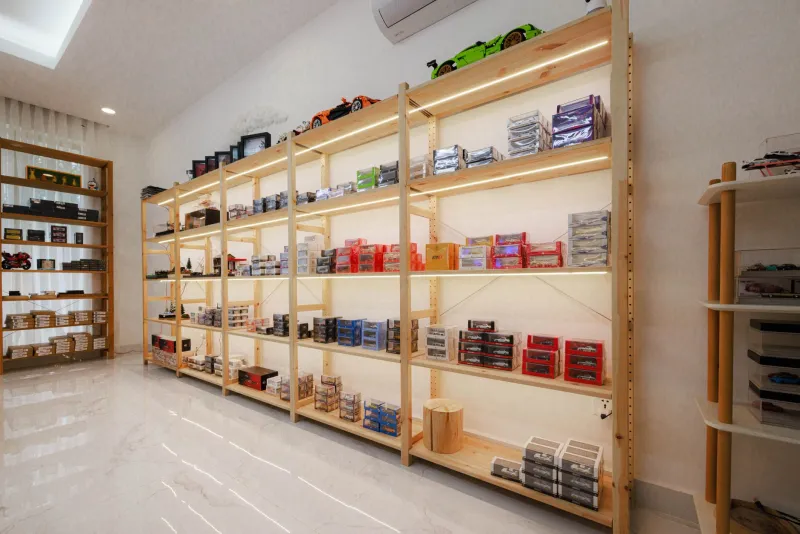
Let's be honest for a second. You've been there. You finish an anime season, you're emotionally wrecked in the best possible way, and before the ending credits even finish rolling, you're already three tabs deep into a figure pre-order page. Studios know this. They've always known this. But somewhere along the way, the relationship between anime storytelling and anime merchandise stopped being a happy side effect and started feeling a little more calculated.
The merch economy around anime in the US has absolutely exploded. Crunchyroll, Right Stuf, Hot Topic, BoxLunch — the pipeline from your screen to your wallet has never been shorter. And with platforms like AmiAmi and Goodsmile shipping directly to American fans faster than ever, the barrier between "I love this character" and "I just spent $180 on a 1/7 scale figure" is basically nonexistent. That's great for fandom culture in a lot of ways. But it's also worth asking some harder questions about what's actually driving the bus.
When the Show Is the Advertisement
There's a term that floats around anime production circles: "media mix." It's the strategy of launching a property across multiple formats simultaneously — manga, anime adaptation, mobile game, figure line, apparel — so that each piece promotes the others. On paper, it sounds like a smart business model. In practice, it sometimes produces anime that feels less like a creative vision and more like a 13-episode trailer for a gashapon machine.
Think about some of the biggest merch-driven properties over the last few years. Certain idol anime, card game tie-ins, and mobile game adaptations routinely debut with full merchandise catalogs before a single episode has aired. The character designs are optimized for figure production. The outfits are varied enough to justify multiple costume variants. The emotional beats are engineered to make you attach to specific characters — not because the writing demands it, but because attachment drives purchasing behavior.
That's not a conspiracy theory. That's a documented production strategy, and fans are increasingly aware of it.
The Quality Problem Nobody Wants to Talk About
Here's where it gets genuinely frustrating. When studios prioritize merch output over story quality, something has to give — and it's usually the actual anime. But the merch quality often suffers too, which is the real betrayal.
Anyone who's ordered a "officially licensed" figure from a mid-tier property knows the feeling. The promo photos look clean. The paint job in the stock images is flawless. Then your order arrives and the eyes are slightly misaligned, the base is warped, and whatever delicate accessory came with it snapped before you even got it out of the box. You paid $60 for something that looks like it belongs in a crane machine at a bowling alley.
This isn't universal — premium manufacturers like Good Smile Company, Alter, and Kotobukiya consistently deliver quality that justifies the price point. But the market has become flooded with cheaper alternatives riding the coattails of popular IP, and casual fans who don't know the difference between a prize figure and a scale figure are getting burned regularly.
The apparel situation is its own conversation. Officially licensed anime hoodies and tees sold through mainstream US retailers are often printed on the thinnest cotton imaginable, with graphic quality that fades after six washes. Meanwhile, fan-made designs on sites like Redbubble sometimes outperform official merch on both print quality and creative originality — which should embarrass the studios holding the licenses.
The Properties That Actually Get It Right
To be fair, not everyone is fumbling this. Some franchises have built merchandise ecosystems that genuinely enhance the fan experience rather than exploit it.
Demon Slayer is the obvious example. The Kimetsu no Yaiba merch line — from Aniplex's high-end figures to the Nichirin sword replicas — maintains a quality standard that matches the show's visual prestige. Fans feel like they're buying a piece of something that was made with care, because the source material itself was made with care. The merch feels like an extension of the art.
Jujutsu Kaisen has done something interesting with its streetwear crossovers, collaborating with brands that actually resonate with the American market's sneaker and streetwear culture. Those drops feel intentional rather than opportunistic.
And then there's One Piece, which has had nearly 25 years to build a merchandise culture and has used that time to create collector ecosystems — particularly through the Portrait of Pirates and Figuarts ZERO lines — that dedicated fans genuinely treasure. The longevity of the property means merch investment feels sustainable rather than trend-chasing.
Are Fans Starting to Push Back?
The short answer is yes, and it's showing up in interesting ways.
Reddit threads dissecting figure quality have become a genre unto themselves. YouTube channels dedicated entirely to "figure review and unboxing" now routinely call out poor quality control with the same energy that anime reviewers apply to bad writing. The community has essentially built its own consumer protection infrastructure because the official channels weren't providing it.
There's also a growing conversation — particularly among fans who've been in the hobby for a decade or more — about whether the explosion of available merch has actually diluted the meaning of owning it. When every mid-tier seasonal anime has a figure line, a collab café, and a themed energy drink within six months of airing, the specialness of collecting starts to erode. Scarcity used to mean something. Now it just means a longer pre-order window.
Some fans are actively choosing to spend money on fan artists and indie creators rather than official merch, partly as a quality play and partly as a values statement. That's a quiet but meaningful shift.
What This Means for the Shows We Love
Here's the uncomfortable conclusion hiding underneath all of this: if merchandise revenue is increasingly what determines whether a show gets a second season, then we've handed a significant amount of creative power to the people running the gift shop.
Shows with passionate fan communities but modest merch sales might get quietly shelved. Shows with mediocre storytelling but highly giftable character designs might keep getting renewed. That's not a hypothetical — there are plenty of examples in recent anime history where continuation decisions seemed more tied to franchise commercial performance than to actual audience enthusiasm for the narrative.
For fans, the move is to stay conscious about where the money goes. Buying merch from a show you love is one of the most direct ways to signal support in an industry that runs on signals. But buying merch out of FOMO, or tolerating low quality because the license is attached to something you care about, just teaches studios that the bar can stay low.
Your shelf space is valuable. Your wallet is a vote. Spend both like you mean it.